On this page
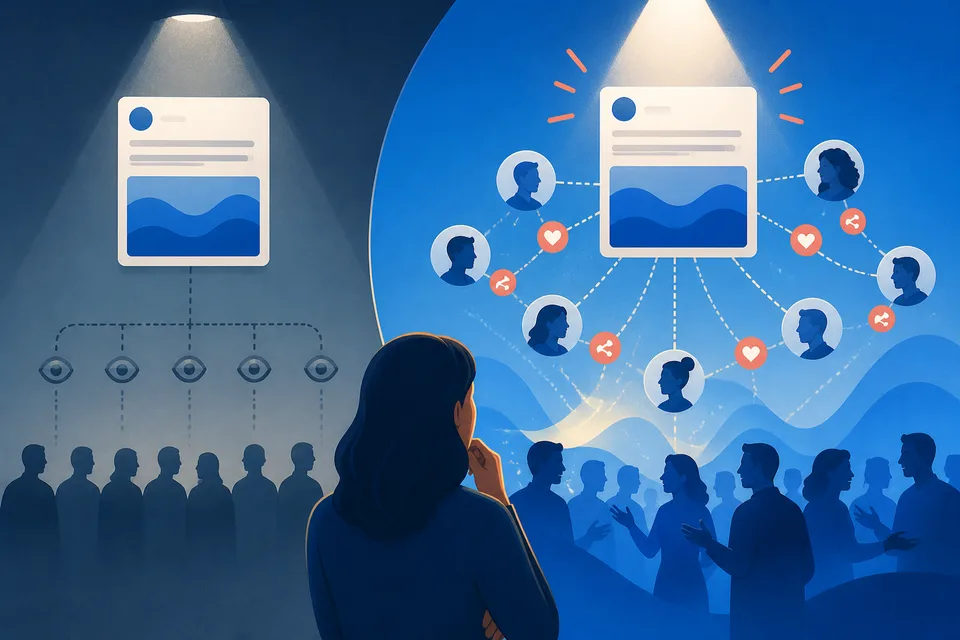
Two posts. Same topic. Same length. Same author. One gets four hundred likes. One gets eleven. LinkedIn users have watched this happen and chalked it up to the algorithm being random. The algorithm is not random. There are patterns, and most of them have psychological roots.
Why is the hook the most important part of a LinkedIn post?
LinkedIn shows three lines of your post before the "see more" button. Those three lines determine whether anyone reads the rest. The best hooks do one of two things: they create an information gap ("Here is why X is not what you think it is") or they make a claim that challenges a commonly held assumption.
What hooks do not work: questions that can be answered with yes or no, observations that confirm what everyone already believes, and intros that begin with "I" followed by background context before getting to the point.
Comments are the most valuable engagement signal on LinkedIn. They cost more effort than a like and send a stronger signal to the algorithm. People comment when they feel something: disagreement, recognition, curiosity, or the specific feeling of "I have something to add to this."
Posts that generate comments tend to do one of the following: stake a specific position on a contested question, share a result or experience that others can compare their own to, or end with a genuine question that has no single obvious answer.
What is the LinkedIn first-hour effect and why does it matter?
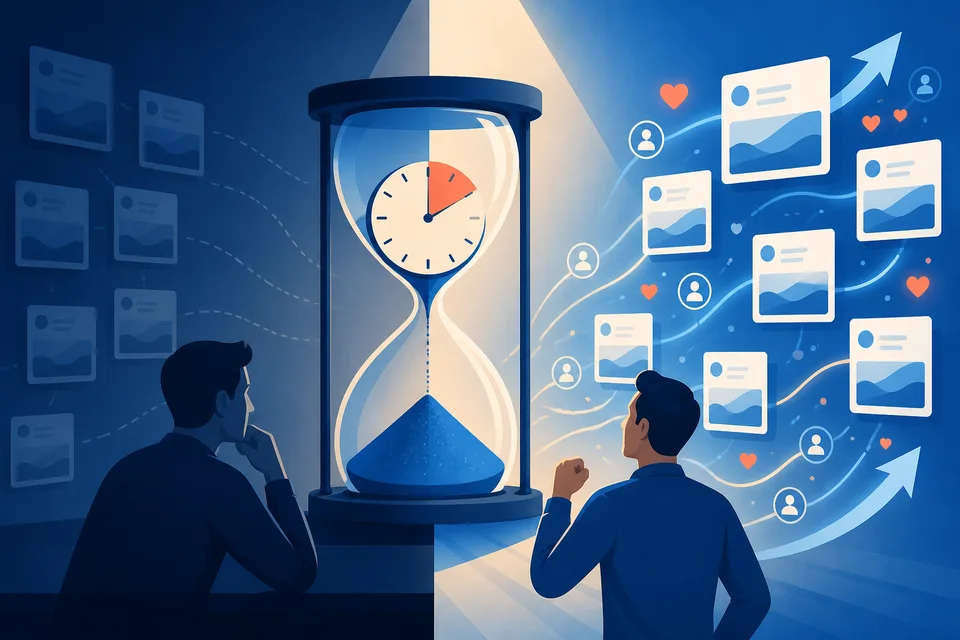
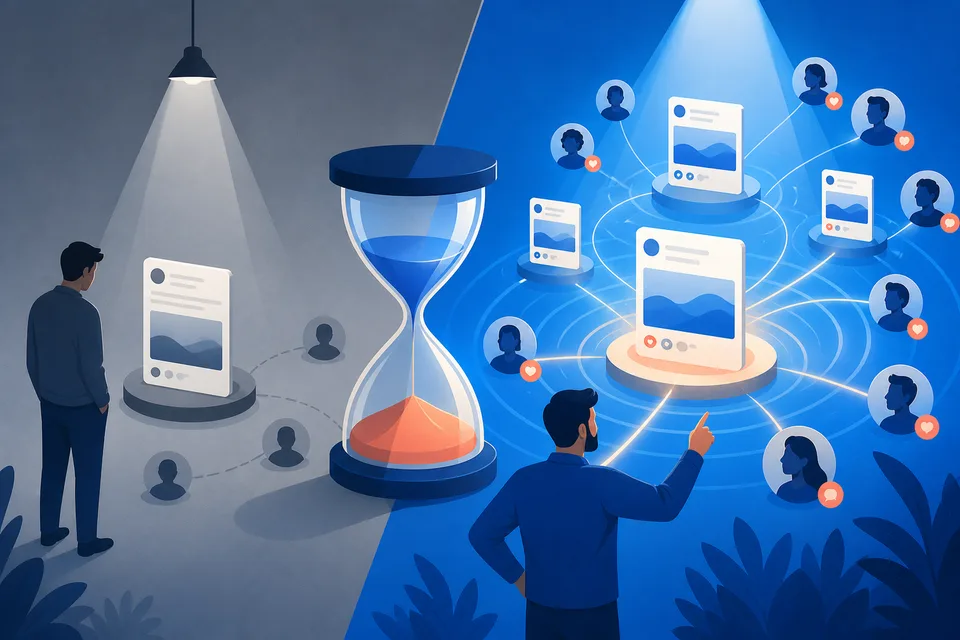
LinkedIn distributes a post to a small initial audience and measures engagement velocity in the first hour. High engagement in that window triggers broader distribution. Low engagement means the post stays small.
This is why posting time matters. Posting at 7am on a Tuesday in your primary audience's timezone means the algorithm is measuring your post during the most active period of the professional workday. Posting at 10pm on a Friday means you are measuring it when most of your audience is unavailable.
Why does authenticity outperform polished content on LinkedIn?
Readers have developed a finely tuned radar for LinkedIn content that was generated, templated, or edited into blandness. The "I am humbled to announce" posts. The numbered list that could have been written by any consultant in any industry. The inspirational quote with a stock photo.
The posts that break through feel personal and specific. They reference real names, real numbers, real conversations. The reason is simple: generic content cannot create the feeling of recognition that drives engagement. Only specific content can.
What does this mean for how you write your next LinkedIn post?
- Write the hook before you write anything else. Test it: does it create a gap?
- End posts with either a reflection or an honest question. Give readers somewhere to go.
- Post at the time when your specific audience is most active.
- Prioritise specificity over polish. A post with real details and rough edges will outperform a perfectly formatted post with no texture.
The fastest path to specific, textured content is starting with a recording where you already explained the idea out loud. Tools like SparkVox extract those moments and shape them into posts - preserving the rough authenticity that drives real engagement rather than editing it away.