You can write a great LinkedIn post and have it fail because of your profile. Not because the algorithm penalises you — because every post you publish is a link to your profile, and if that profile does not convert curious readers into followers, you are building an audience one post at a time and losing it just as quickly.
Here is what most profiles are doing wrong and how to fix it in under an hour.
The headline is doing the wrong job
Your LinkedIn headline is the most visible text on your profile. It appears next to every post you publish, every comment you leave, every connection request you send. Most people use it to state their job title.
A job title tells people where you work. It does not tell them why to follow you. The people who build audiences on LinkedIn write headlines that answer one question: "What will I get from reading this person's content?"
Compare these two:
- "CEO at Acme Corp"
- "Helping B2B founders build pipeline through LinkedIn content | Writing about what actually works"
The second version tells a potential follower exactly what they are signing up for. The first gives them no reason to click.
Your photo is worth more than you think
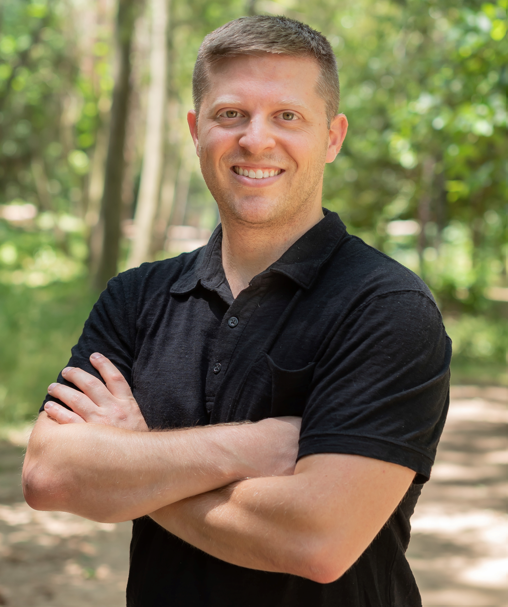
LinkedIn's own data consistently shows that profiles with professional headshots receive significantly more profile views and connection requests than those without. "Professional" does not mean expensive — it means well-lit, in focus, and with your face visible.
Your photo appears next to every piece of content you publish. It is how readers recognise you across the feed. A blurry, dark, or absent photo is a passive message that you are not serious about your presence here.
The About section converts or kills
Most About sections are written in the third person and read like a press release. Nobody who is genuinely curious about you wants to read a press release. They want to understand three things in under 30 seconds: what you do, who you do it for, and why that matters.
Write it in the first person. Keep it short — three short paragraphs at most. End with something actionable: what should someone do if they want to work with you, follow you, or learn more? If there is no next step, curious readers leave and do not come back.
The Featured section is free real estate you are not using
The Featured section sits at the top of your profile and is one of the first things visitors see. Most profiles either leave it empty or fill it with company announcements nobody reads.
Pin your best-performing post, your most useful piece of writing, or a link that demonstrates the core of what you do. This one section can do more to convert a profile visitor into a follower than anything else on the page. It shows new visitors what to expect from following you — your best version, not your latest one.
Creator mode and the follow button
If you are creating content regularly, turn on LinkedIn's Creator Mode in your settings. It moves the Follow button to the primary position on your profile (instead of Connect), which is more appropriate for an audience-building strategy. It also surfaces your topics and recent posts more prominently.
The difference in follower conversion rate between a profile with Creator Mode on and one without is meaningful over time. It is a 30-second change worth making.
The compound effect of a good profile
Every post you publish is an invitation to your profile. If your profile converts 5% of visitors into followers and you could improve that to 15%, the same content effort produces three times the audience growth. Profile optimisation is leverage — do it once and it compounds across every post you ever publish.