On this page
"AI tools for LinkedIn" has become a category label that hides more than it explains. Some tools write posts from prompts. Some schedule them. Some scrape your feed to auto-comment. Some turn recordings into drafts. They solve different jobs, carry different risks, and produce very different output quality. If you are evaluating software for LinkedIn in 2026, the useful question is not "which AI tool is best?" but "what job am I actually hiring a tool to do?"
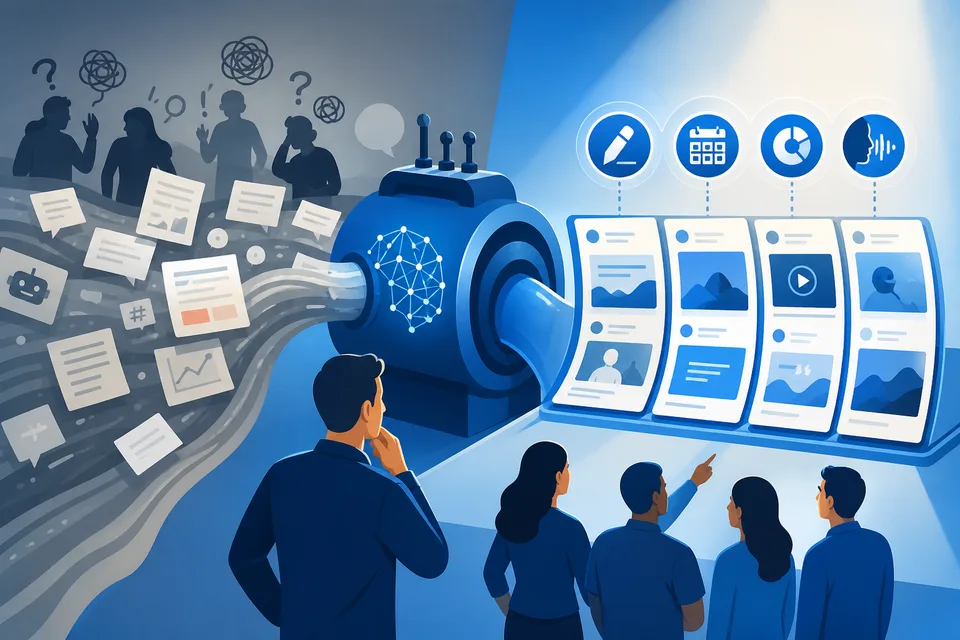
Most products fall into one of four buckets. Many overlap on marketing pages but not in practice.
- Draft generation. Turn a topic, outline, or recording into post copy. ChatGPT, Jasper, Taplio-style writers, and recording repurposers all live here - with wildly different inputs and voice fidelity.
- Scheduling and publishing. Queue posts, manage calendars, publish through official or unofficial LinkedIn connections. Buffer, native schedulers, and some growth suites.
- Analytics and coaching. Impressions, engagement rate, timing insights, weekly reports. Often bundled with schedulers; quality depends on whether posts were published through LinkedIn's official API.
- Engagement automation. Auto-likes, auto-comments, connection campaigns. High risk. LinkedIn actively restricts accounts that use scraping-based engagement bots.
Pick the job first. A great scheduler will not fix weak drafts. A great writer will not save you if you automate comments in ways LinkedIn flags as inauthentic.
Prompt-based AI writers (ChatGPT, Jasper, general LLMs)
These start from a blank box. You describe a topic, pick a tone, and get a draft in seconds. The tradeoff is voice: the model fills gaps with the median LinkedIn post it has seen millions of times, so output drifts toward generic unless you edit heavily.
General chatbots also lose your voice over time as context windows fill and reset. They work for occasional posts when you know exactly what you want to say. They struggle as a long-term system for founders who need to sound like themselves every week.
LinkedIn growth suites (Taplio, MagicPost, Supergrow, and similar)
These combine idea generation, drafting, scheduling, and analytics in one dashboard. The appeal is convenience: one subscription, one calendar, one place to see performance.
Read the fine print on how they connect to LinkedIn. Tools that rely on cookie-based access or unofficial automation carry account risk that official OAuth integrations do not. Compare options on our comparison hub or read Taplio vs SparkVox for a worked example of prompt-first vs recording-first workflows.
Recording and transcript repurposers (SparkVox, Castmagic, Otter-adjacent workflows)
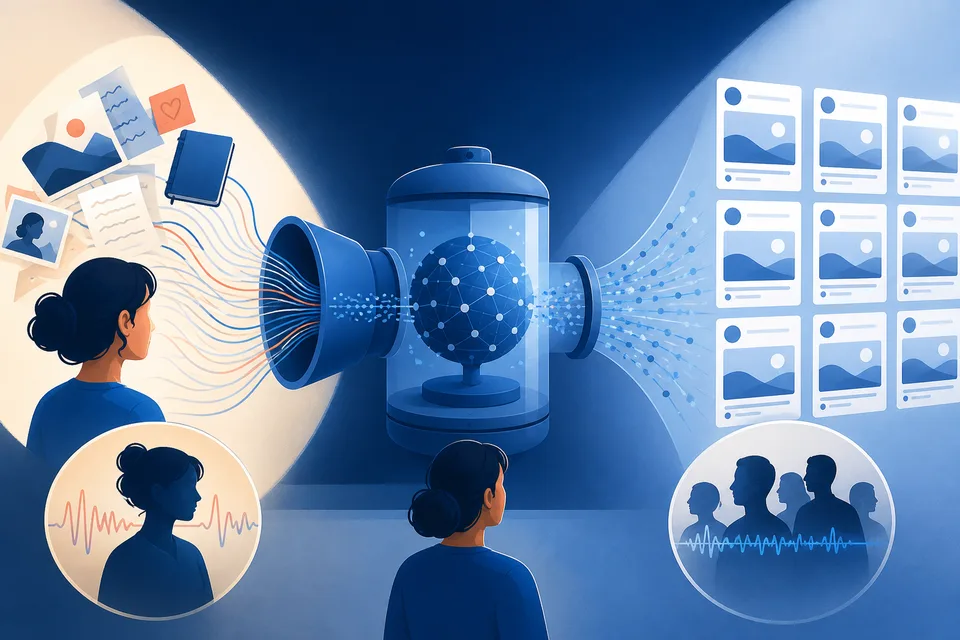
These start from material you already produced: sales calls, podcasts, trainings, Zoom recordings. Instead of inventing a topic, the tool extracts moments and drafts posts from what you actually said.
The quality hinge is voice fidelity. Transcript-first tools that learn tone from your approvals and edits compound over time. Prompt-first tools start fresh every session. If your best LinkedIn content already lives on calls you take every week, a repurposing tool removes the blank page without asking you to become a prompt engineer.
SparkVox sits here: upload or import a recording, review drafts in your project's LinkedIn content strategy, publish or schedule on paid plans, and feed results back into future drafts via Post Analytics. See how to repurpose content for LinkedIn for the full workflow.
Schedulers with official LinkedIn API access
LinkedIn does not offer a native "schedule for Tuesday at 9am" button for third parties in the way some users expect. Legitimate schedulers use LinkedIn's official publishing APIs and queue posts server-side until the confirmed time. That matters for analytics: direct publishes through the official API can sync impressions and engagement back into tools that support it.
Read does LinkedIn have a scheduling API? before you trust a calendar that cannot explain how posts actually go live.
Auto-comment bots, bulk connection tools, and engagement pods borrow against your account's survival. LinkedIn's 2025-2026 enforcement wave made the cost visible: restricted reach, forced reconnects, and suspensions. Automating comments and likes is not a gray area anymore.
Also be skeptical of any tool that promises "viral AI posts" without human review. You still own what publishes under your name. AI-assisted is not the same as AI-generated-and-forgotten.
How to choose: a simple decision tree
- You already know what to write - a scheduler plus light editing may be enough. Focus on official LinkedIn publishing and analytics sync.
- You have topics but not time to draft - a prompt-based writer can help if you edit every post. Budget time for de-slopping, not just generation.
- Your best material is on recordings - a repurposing tool beats a prompt box. Look for voice learning, funnel-aware drafts, and human approval before publish.
- You want delegation without payroll - compare repurposing software to a human ghostwriter on cost, compounding, and who owns the voice when the relationship ends.
What a good stack looks like in practice
Most founders I talk to do not need seven tools. They need one reliable draft pipeline, one legitimate publish path, and one place to read whether the right people are paying attention - not just raw impressions.
SparkVox bundles draft generation from recordings, native scheduling on paid plans, Post Analytics for direct publishes, and LinkedIn comment engagement on Pro and above. If you want to test the recording-first path, start with a founder workflow or upload a call and review drafts before anything goes live.