
StrategyFounders
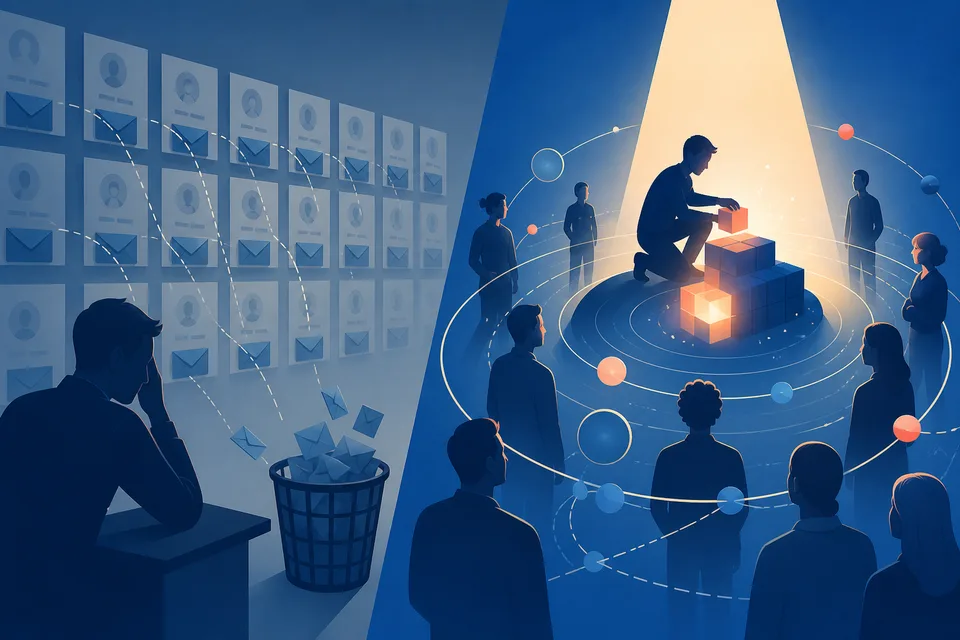
The Best Networking Isn't Outreach. It's Being Worth Knowing.
Most founders treat networking like cold outreach in a nicer shirt. Here's how building something people want in on turns relationships into inbound pipeline.
A great product or a packed event does not sell itself. Here's what actually scales: ICP clarity, distribution, consistent presence, and systems that remove friction.
 Sean Weisbrot- Founder, SparkVox
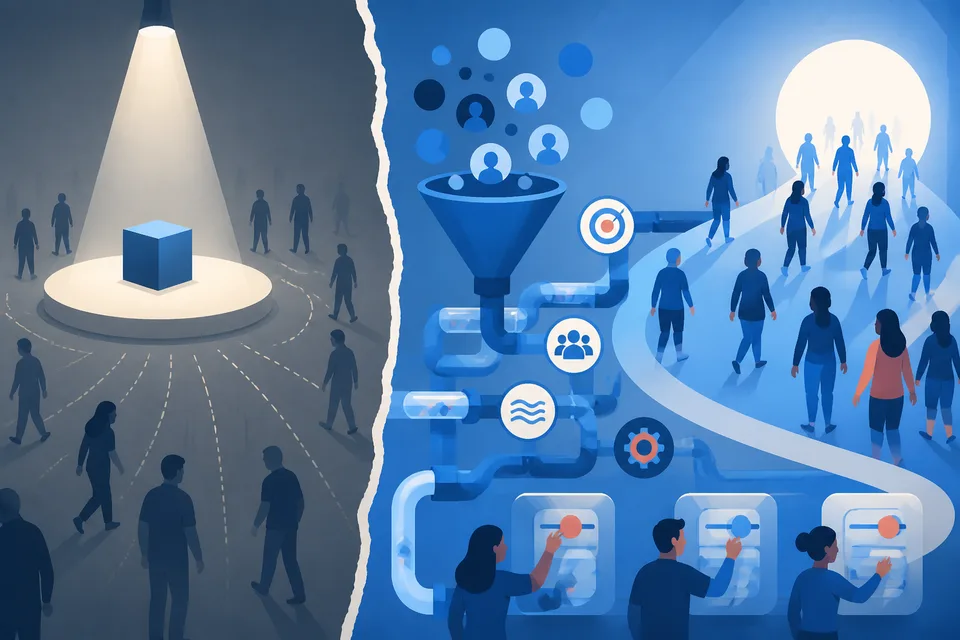
"Build it and they will come" is one of the most expensive sentences in startup culture. I believed a version of it twice: once when I thought a great event would monetize itself, and again when I thought a great product would sell itself if the demo was good enough. Both times the build was real. The audience was not automatic.
I did not plan to become an entrepreneur. I went to China at 22 because corporate America was the only path I could see and I wanted a third option. Living there exposed me to hustle culture on a level I had not seen in the US. Chinese founders worked harder. That alone did not mean customers appeared. I had to learn sales, trust, and positioning in a language and market that were foreign in every sense.
My event company grew to 700 attendees per month through word of mouth. That looked like product-market fit for an experience business. It was not yet a business model. I was still missing the networking and monetization layer on top of the room I had built. See 700 people showed up and I still missed the point.
After a $15 million consulting run, I invested $650,000 learning to build software. The prototype worked. The market story was coherent. Customers did not line up because the product was clever. They showed up when I did the unglamorous work: ICP clarity, sales conversations, pricing that matched value, and distribution that met people where they already paid attention.
Technical founders especially wait for the product to do the selling. It will not. The hardest part is not understanding the problem. It is tolerating the awkward silence after you say the price out loud and still staying in the conversation.
Build it, yes. Then build the path to them: relationships, content, sales motion, and the follow-up habit that turns attention into revenue. The product is necessary. It is not sufficient. Anyone who tells you otherwise is selling a fantasy or has not launched yet.
SparkVox
Upload a call, podcast, or interview. SparkVox extracts moments and drafts up to 15 LinkedIn posts in your voice. You review every draft before anything publishes.
Free to sign up. Card required for full access.
No charge until day 15.
Most founders treat networking like cold outreach in a nicer shirt. Here's how building something people want in on turns relationships into inbound pipeline.
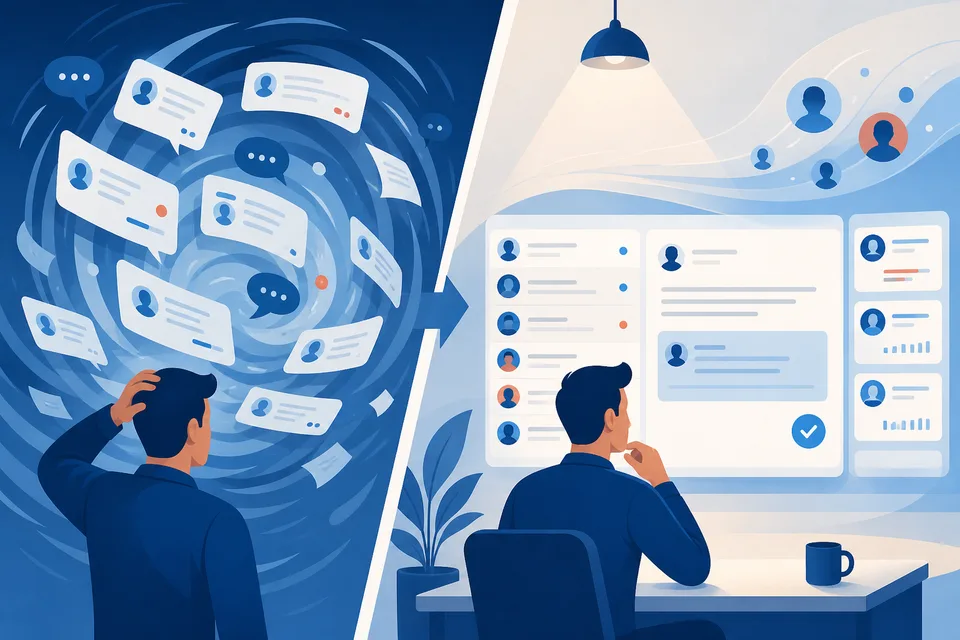
Engage syncs comments on SparkVox-published posts into one inbox - reply, mark done, and find top engagers without hunting through the feed. Legitimate API engagement, not auto-comment bots.

Repeat commenters are your highest-signal relationships on LinkedIn. SparkVox Engage People tab ranks top engagers with funnel filters and CSV export - here is how to use the list without spamming DMs.
Your calls and interviews are already the content. SparkVox writes the posts in your voice - upload one recording and see the drafts before you're charged.
Free to sign up. Card required for full access.
No charge until day 15.