
Social SellingSales
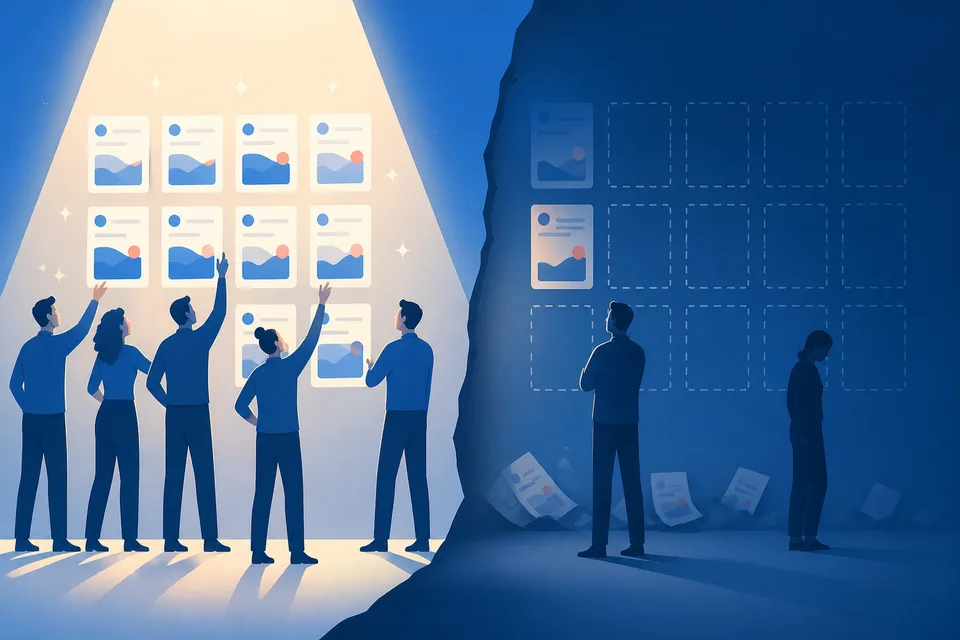
Why Social Selling Programs Die in Week Three
Week one looks great. By week three, only the reps who already liked writing are still posting. Here's why capacity, not buy-in, is what actually kills social selling programs.
The Edelman-LinkedIn B2B Thought Leadership Impact Report has real data on whether LinkedIn content moves buying decisions. Here's what it actually found, sourced and cited.
 Sean Weisbrot- Founder, SparkVox
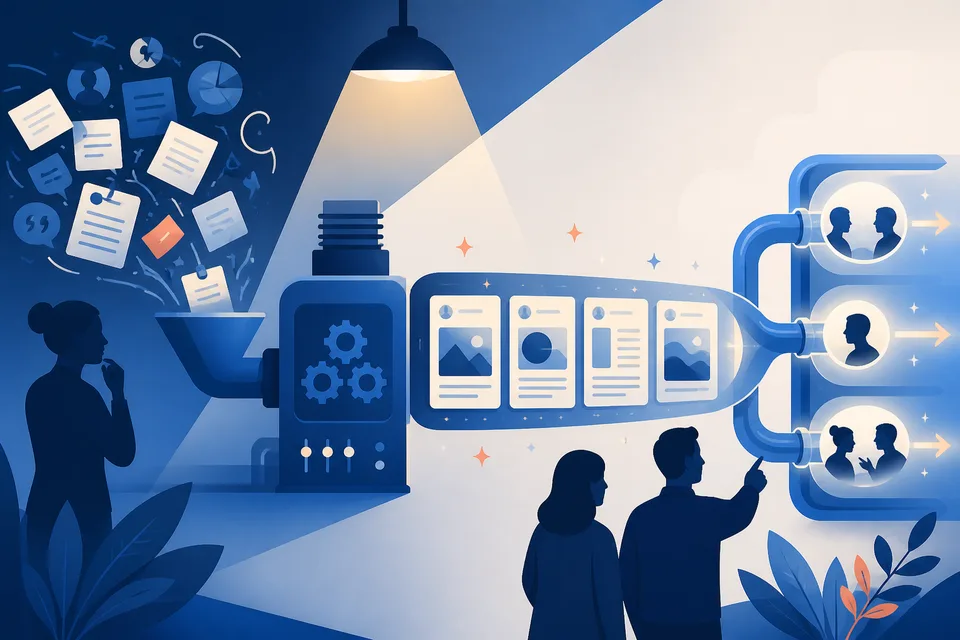
"Post consistently on LinkedIn" is easy advice to give and hard advice to justify to anyone holding a budget. Before asking a founder or a sales team to spend hours a week on it, it is worth asking what the actual evidence says - not vendor claims, but independently run research on whether thought leadership content moves real buying decisions.
The most substantial data here comes from Edelman and LinkedIn's joint B2B Thought Leadership Impact Report, now in its seventh year and built from close to 2,000 global B2B professionals, including both named decision-makers and the "hidden buyers" who influence a deal without ever being on a vendor call.
One of the report's more useful contributions is separating "decision-makers" from "hidden buyers" - the colleagues, internal stakeholders, and influencers who shape a purchase decision without being the named signer. The 2025 edition found that 79% of hidden buyers say they are more likely to advocate for a vendor's proposal during an RFP process if that vendor has consistently produced high-quality thought leadership. That is not a brand-awareness metric. That is someone in the room, arguing for you, based on content they read before the deal ever reached a formal proposal.
The same report found 71% of hidden buyers say thought leadership is more effective than conventional marketing at demonstrating value - a notable claim given how much B2B marketing budget still defaults to case studies and product one-pagers over founder-level or expert-level commentary.
A common objection to investing time in LinkedIn content is that nobody is actually reading it - that it is noise scrolled past in half a second. The data does not support that assumption. Edelman and LinkedIn found 63% of hidden buyers spend more than an hour a week consuming thought leadership content, essentially matching the 64% figure among named target buyers. An hour a week, across a buying committee, is a real amount of attention - not the passive scroll the "nobody reads this" objection assumes.
Perhaps the most useful finding for anyone deciding what to actually write about: 91% of hidden decision-makers in the report said quality thought leadership helped them uncover needs they did not know they had. This reframes what a good LinkedIn post is doing. It is not just building awareness of an existing need - it is capable of creating the need in the first place, by naming a problem the reader had not yet articulated.
That has a direct implication for what to post: the anecdote from a sales call where a prospect's problem turned out to be different from what they thought they had - the specific objection, the reframe, the "wait, that's actually my problem too" moment - is exactly the material this research says works. It is also exactly the kind of material that lives in a recording and rarely survives translation into a generic prompt.
The report also found 57% of hidden buyers favor quick, digestible takeawaysover long-form depth alone - a reminder that even substantive thinking needs to be broken into something a reader can absorb in a scroll, not just published as a dense essay and left to find its audience.
This is consistent with why a single long recording - a sales call, a podcast episode, a training session - tends to outperform a single blog post as a content source: one hour of real conversation typically contains several distinct, quick-takeaway-sized ideas, not one long argument that has to be broken apart after the fact.
Taken together, the research supports a fairly specific claim: consistent, substantive LinkedIn content genuinely influences B2B buying decisions, including from people who never sit in a sales call - and it does so more through specific, need-surfacing insight than through polished but generic thought leadership. That is a real argument for investing in it, and a real argument against outsourcing it to a tool that produces the generic version.
SparkVox exists for the gap between "this is worth doing" and "I don't have time to write it" - turning recordings you already have into the specific, story-driven posts this research says actually move buyers. See how to turn a 1-hour interview into 30 pieces of content for the practical version of this, or read social selling for growth marketers for how this fits into a broader pipeline strategy.
Sources: 2025 Edelman-LinkedIn B2B Thought Leadership Impact Report.
SparkVox
Upload a call, podcast, or interview. SparkVox extracts moments and drafts up to 15 LinkedIn posts in your voice. You review every draft before anything publishes.
Free to sign up. Card required for full access.
No charge until day 15.
Week one looks great. By week three, only the reps who already liked writing are still posting. Here's why capacity, not buy-in, is what actually kills social selling programs.
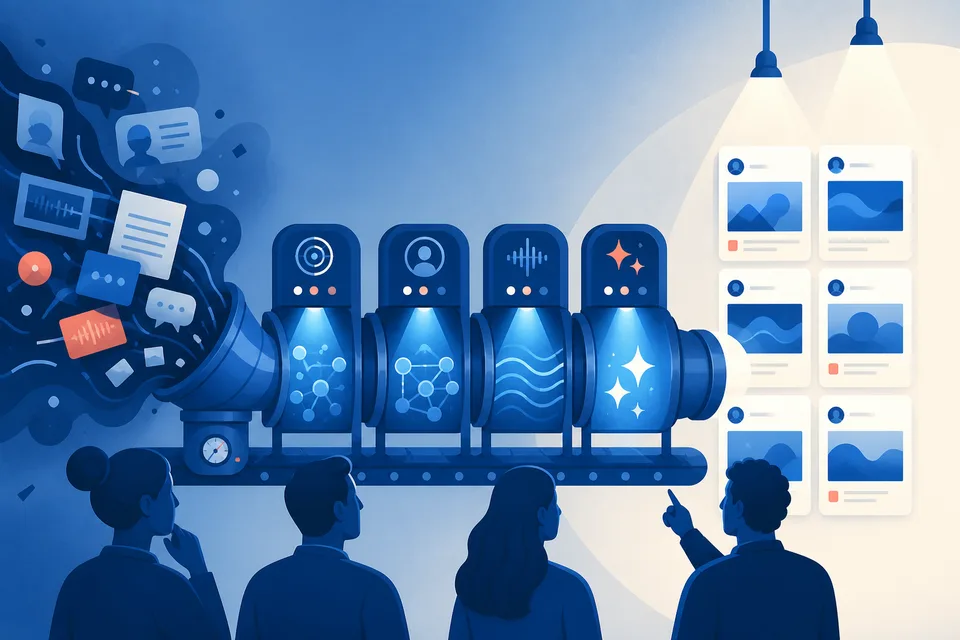
Sales Navigator, Taplio, Castmagic, SparkVox - social selling tools solve different jobs. A category-by-category breakdown so you pick the right one instead of the loudest one.
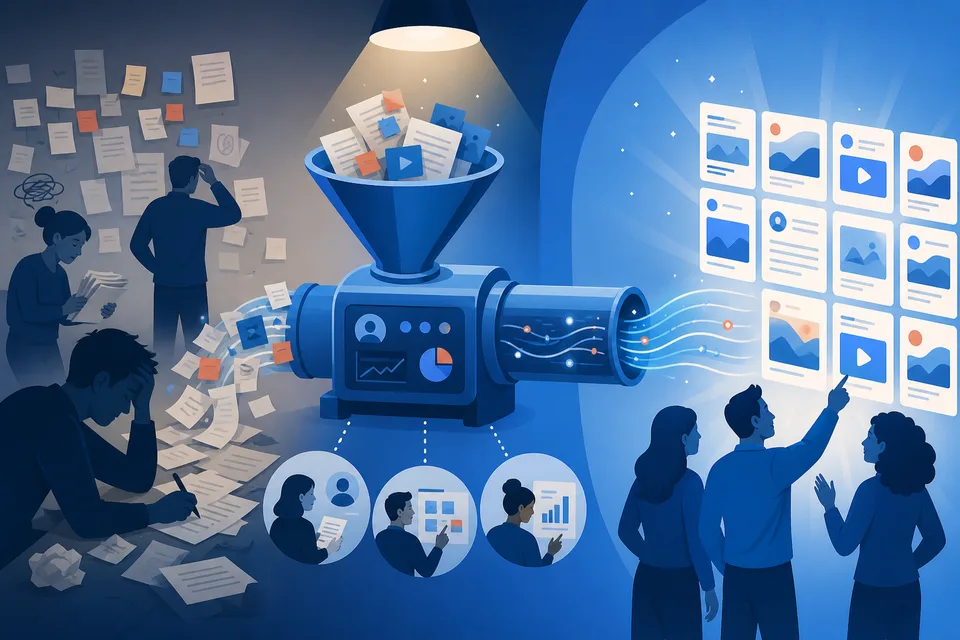
Most social selling initiatives die in week three because reps do not have time to write. Here's how growth marketers can run a program that survives past the kickoff deck.
Your calls and interviews are already the content. SparkVox writes the posts in your voice - upload one recording and see the drafts before you're charged.
Free to sign up. Card required for full access.
No charge until day 15.