On this page
LinkedIn growth advice is scattered: write better hooks, post more often, comment more, avoid links in the body, reply in the first hour. Each piece is true in isolation. None of it works as a system unless you connect how posts, comments, timing, and relationships fit together. This is that system - a single playbook for earning engagement that actually moves reach, not vanity metrics.
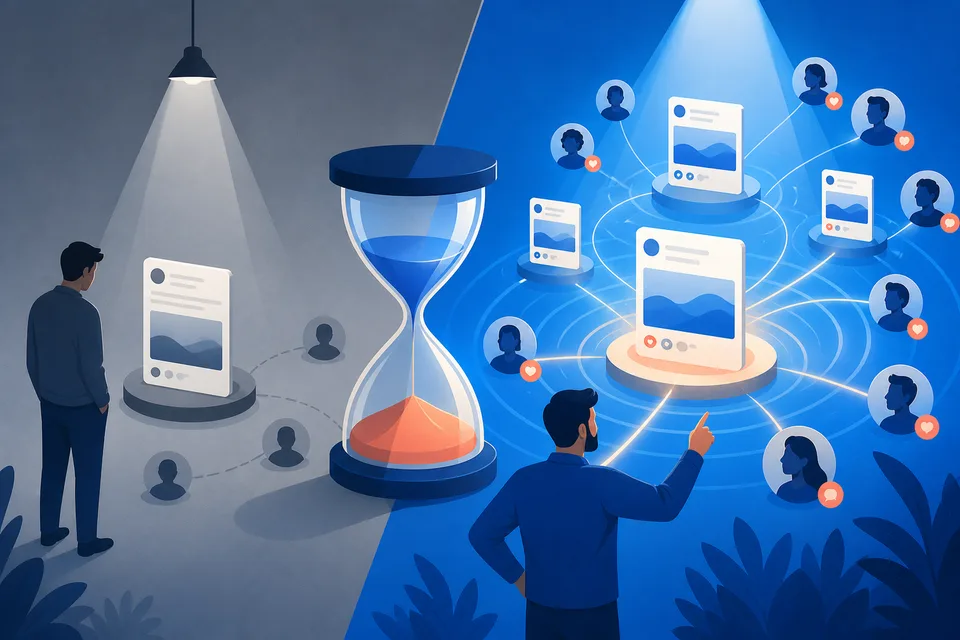
Engagement on LinkedIn is not luck. It is a loop: publish something worth responding to, win the early window, show up in other people's threads, and train an audience that responds quickly the next time. Miss any step and the others weaken.
Step 1: Publish posts built for the first 90 minutes
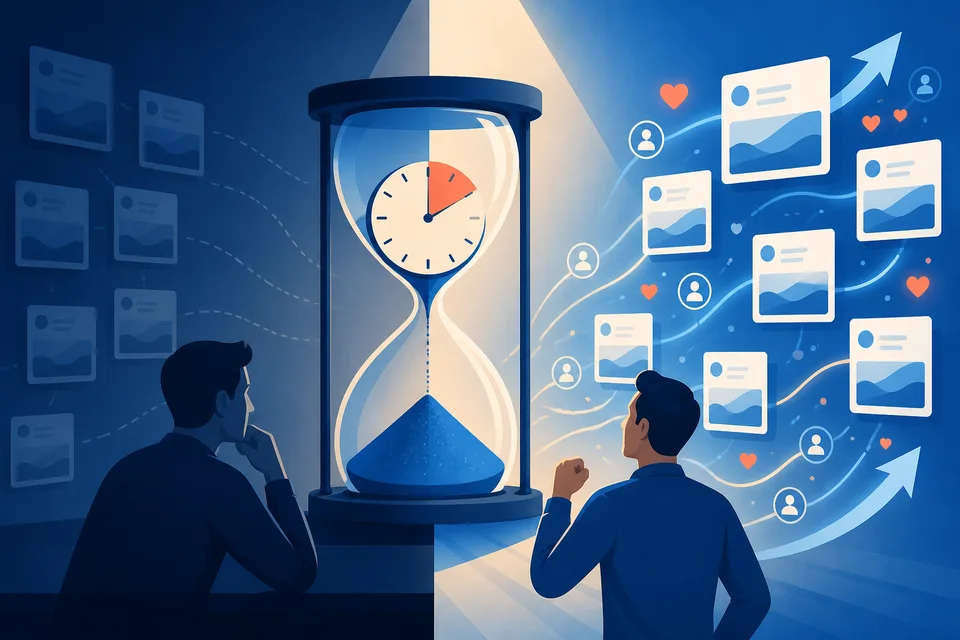
LinkedIn makes a distribution decision in the first sixty to ninety minutes after you publish. A small slice of your network sees the post first. Strong early response expands reach; weak response and the post fades.
Write for that window deliberately. Open with a line that earns dwell time - people pause before they scroll. Close with a genuine question or a clear point of view that invites disagreement. Comments in the first hour matter more than likes. Posts that end with a polite summary and no invitation to respond often die quietly regardless of quality.
Stay online after you publish. Reply to every comment in the first hour when you can. A thread that keeps moving signals active conversation to the algorithm. Scheduling a post and disappearing is one of the most common ways to waste good content.
Step 2: Remove silent distribution penalties
Before you worry about engagement tactics, clear the basics that suppress reach without telling you. External links in the post body, extreme post length, off-topic pivots, and generic AI-pattern copy all trigger softer distribution. Put links in the first comment. Aim for roughly 150-300 words on most feed posts. Stay on the two or three topics your profile already claims.
Mobile formatting matters too: most readers are on phones. Short paragraphs, line breaks, and hooks that work above the fold are not cosmetic - they affect whether people finish the post.
Posts reach people who already follow you. Comments reach people who do not. A thoughtful reply on a post in your niche can put your name in front of an entire new audience in thirty seconds.
The bar is simple: add something. A perspective the original post missed. A respectful counterpoint. A specific example from your work. Skip "Great post" and fire emojis - they signal presence, not expertise. Comment on posts from people whose audiences overlap yours, not only the largest accounts. Relevance beats raw follower count for discovery.
Budget ten to fifteen minutes a day for this. It is not separate from content strategy; it is parallel. The insight you would leave in a comment is often the seed of your next post.
Step 4: Turn relationships into reach
Tag people when you mean it- when they contributed, when you are sharing their work, when the reference is specific. Tagging for reach alone erodes trust and trains your audience to ignore you.
Collaboration posts are the highest-leverage format when two people with different audiences publish the same day on the same conversation - each from their own angle, each tagging the other. One interview can become two posts and two networks.
Step 5: Train a responsive audience with consistency
The early engagement window is easier when your audience expects you. Consistent posting beats chasing viral moments. People who have seen you three times this week are more likely to comment in the first hour than people who forgot you exist.
Top founders stay top-of-mind with systems that remove friction - repurposing calls and interviews instead of writing from scratch, reviewing drafts in a batch, publishing on a rhythm they can keep when the company is busy. Engagement compounds when the audience is warm; the audience warms when you show up reliably.
Step 6: Read what the psychology rewards
Two posts on the same topic can perform wildly differently. The psychology behind engagement favors specificity, stakes, and first-party detail over polished generalities. Stories beat abstractions. A concrete number beats "significant growth." An opinion worth disagreeing with beats a safe summary everyone already believes.
Saves and substantive comments outweigh passive likes in how LinkedIn ranks quality. Content that teaches something actionable, or that makes someone feel seen in their problem, earns both.
The weekly rhythm in practice
Monday: Publish one post. Stay online forty-five minutes. Reply to every comment.
Tuesday-Thursday: Ten minutes of thoughtful comments on posts in your niche. Publish one or two more posts on your core topics.
Friday: Review what earned replies. Double down on that angle next week. Repost or refresh a strong older post if you need breathing room - see the repost strategy that keeps old content working.
Timing optimization comes after habit. The best time to post is when you can be present for the window that follows - Post Analytics in SparkVox shows which publishing days actually move your metrics once you have enough history.
Where SparkVox fits
This playbook fails if publishing is too painful to run every week. SparkVox handles the production side: upload a recording, review theme-grouped drafts in your project's LinkedIn content strategy, publish or schedule with hooks and length calibrated for the feed. You bring the presence - replies, comments, relationships. The tool removes the blank page so the loop can repeat.
Engagement is not a hack. It is showing up with something worth responding to, being there when people respond, and doing it again next week. Running a company page too? See the LinkedIn company pages guides for what to post on your organization page versus your personal profile.