

AI ToolsWriting
AI-Generated vs AI-Assisted LinkedIn Content
One produces content that sounds like everyone else. The other produces content that sounds like you, faster - and why AI is material to sculpt, not a finished product to accept.
A $15M consulting run, a $650K tech tuition bill, and a decade in China that changed how I think about trust, hustle, and building the second time.
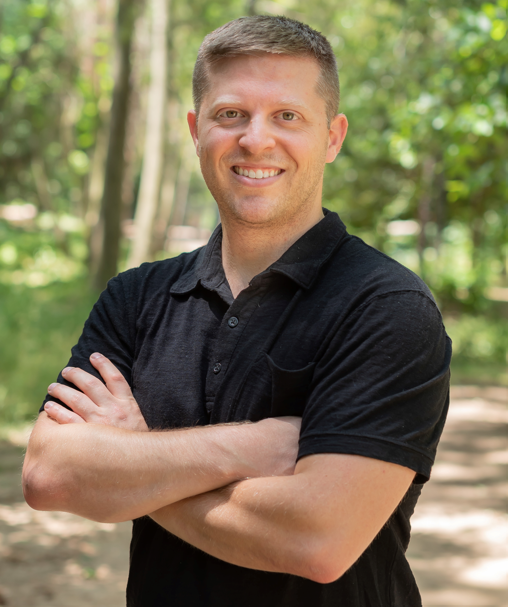 Sean Weisbrot- Founder, SparkVox

I planned on investing $125,000 in my first tech company. I ended up investing $650,000 before I got my first money from investors. I left China six years ago because I did not like where the political environment was heading. But the decade before that was the smartest decision of my life. If I were to die tomorrow, moving to China at 22 would still top the list.
I had no desire to be an entrepreneur. I went to China right out of university because I saw only one other path: corporate America. My brother struggled in corporate. My dad struggled as a business owner. I thought if one had his own business and the other worked for the big man, there had to be a third option. Maybe if I left everything I knew behind, I could find a different life somewhere else. I did.
I arrived with a few hundred dollars and a plan to stay a year before applying to move to Japan. I never went to Japan. I stayed ten years. China was where I became an entrepreneur, learned Mandarin, built a consulting business, and eventually burned through $650,000 learning tech the hard way.
Living in China, I saw how business worked from the customer side. The hustle culture was on steroids compared to the US. I became fluent in Chinese, worked as an HR manager, and eventually launched a consulting practice serving blockchain clients in Mandarin. That business did $15 million in revenue across two years. When the crypto winter hit in 2018, the industry ran out of money. I took profit and pivoted into tech with almost no technical background.
The tech company was originally in blockchain again: messaging, wallets, gated communities, real utility instead of selling dreams. Asia was not ready. The $650,000 was tuition for learning product, engineering, and how expensive it is to build without a technical co-founder who shares your incentives.
Today my costs to run SparkVox are a fraction of what I burned monthly back then. I do more myself because I paid to understand what I was buying when I hired. I charge for value, not time. I narrow the ICP instead of building for everyone. I treat relationships as compounding assets, which is the whole thesis behind networking as inbound.
The China years also taught me that trust is built slowly. Meals, consistency, showing up when you say you will. That shows up in how I think about LinkedIn now: not viral moments, but years of specific stories that make you someone people seek out. SparkVox exists because I needed a way to capture those stories without adding a writing job on top of building.
You can lose money on a company and still win on the education if you extract the lessons publicly and apply them privately. The $650,000 did not come back as cash from that first tech bet. It came back as judgment, network, and the scar tissue that makes the second build cheaper and faster.
SparkVox
Upload a call, podcast, or interview. SparkVox extracts moments and drafts up to 15 LinkedIn posts in your voice. You review every draft before anything publishes.
Free to sign up. Card required for full access.
No charge until day 15.
One produces content that sounds like everyone else. The other produces content that sounds like you, faster - and why AI is material to sculpt, not a finished product to accept.

Between my own money and investor capital, that's what it cost to learn product, engineering, and the gap between demo and production. Here's what I'd do differently.

My China event hit 700 attendees and government sponsorship - and I still wasn't monetizing the network. Headcount flatters you; relationships compound you.
Your calls and interviews are already the content. SparkVox writes the posts in your voice - upload one recording and see the drafts before you're charged.
Free to sign up. Card required for full access.
No charge until day 15.