On this page
LinkedIn consistency advice is almost entirely written for people with time. Batch your content on Sundays. Block two hours a week for writing. Keep a running list of post ideas. If you are a founder or executive running back-to-back calls six days a week, none of those suggestions are realistic - not because you lack discipline, but because the system assumes availability you do not have.
This post is about a different model. One that works when your schedule is not going to change.
Why consistency matters - briefly
The compounding value of LinkedIn visibility is real. Investors look at LinkedIn before the intro call. Candidates check before the offer stage. Prospects warm before they reach out. A founder who posts consistently for 90 days has a different set of inbound conversations than one who posted sporadically six months ago.
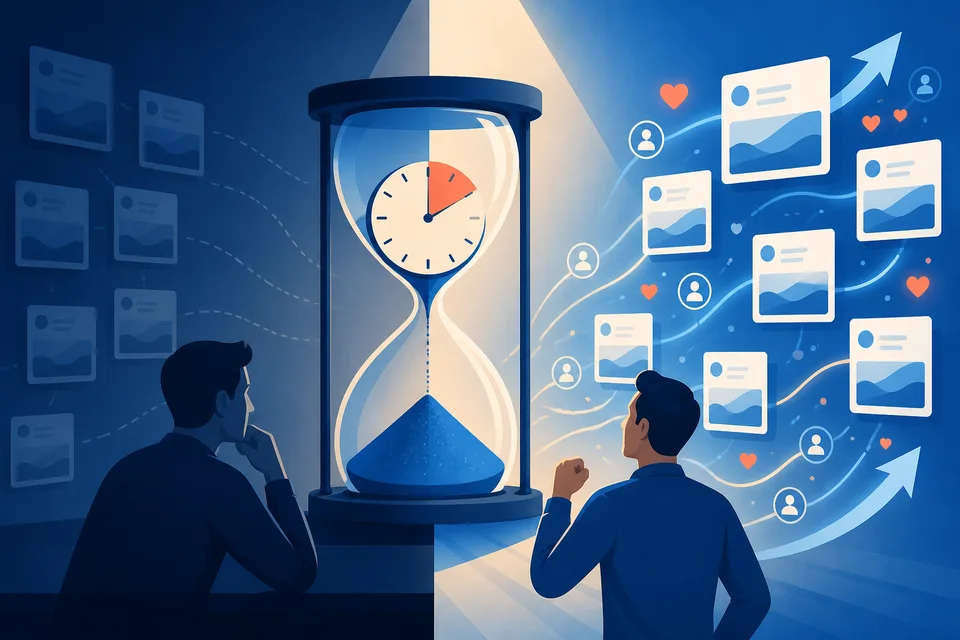
The counterintuitive finding from watching thousands of B2B profiles: consistency matters more than quality in the short run. A post published every Tuesday and Friday, even at 70% of your best quality, compounds faster than a brilliant post every six weeks. The algorithm rewards regularity. More importantly, your audience builds a habit of expecting you.
Why most consistency advice does not work for busy people
Batch writing assumes you have creative energy available on command. Most founders do not. By the time Sunday rolls around, the tank is empty. Content calendars assume you know what topics will feel relevant three weeks from now - but your best posts come from things that happened this week. Ghostwriters help, but they were not in the room when you said the thing that would have actually landed.
The failure mode these approaches share: they add a new creative task to a schedule that is already full. When the schedule gets busier (which it always does), the new task is the first thing dropped.
The reframe: consistency does not require writing, it requires capturing
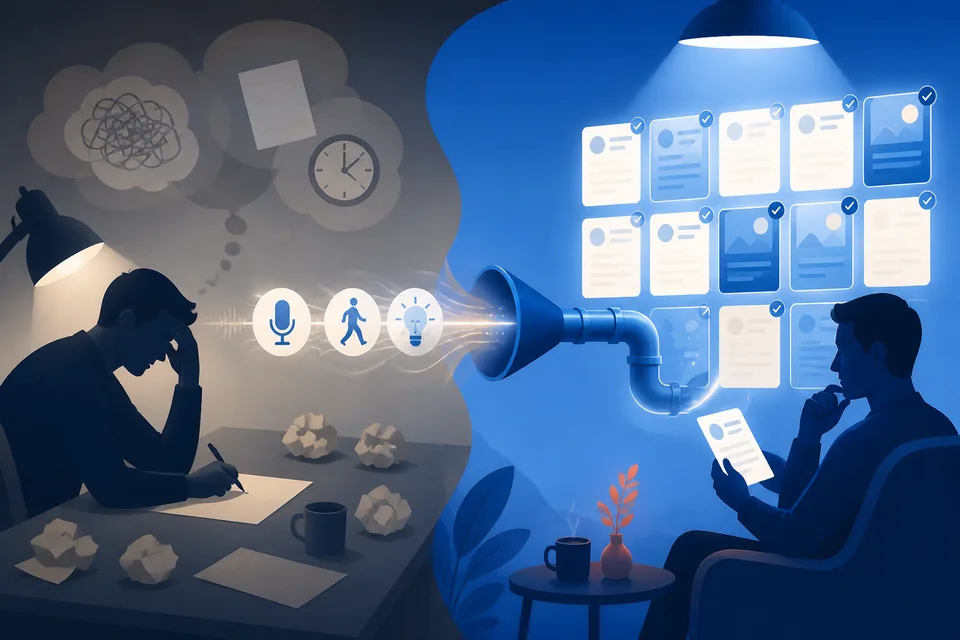
The shift that makes LinkedIn consistency sustainable for time-constrained people is moving capture before creation.
You already have opinions. You articulate them on calls all day. You explain frameworks to prospects, push back on assumptions in advisory sessions, and synthesize what you are learning from the market in meetings with your team. The problem is not that you do not have LinkedIn content. It is that the content exists in forms you are not extracting from.
Capture-first means: record what you are already doing, and extract the posts later. This decouples the "having the insight" step from the "formatting it for LinkedIn" step. You do the first one naturally. You need a system for the second.
What capture-first looks like in practice
The capture layer does not require changing how you work. It requires adding recording to what you are already doing:
- Enable automatic recording on your calls. Fathom, Fireflies, and Zoom all record calls without any action from you beyond setup. Once enabled, every call is available to process later. Most founders who do this describe it as the lowest-effort habit change that had the largest content impact.
- Count guest podcast appearances as sources. If you appear on a podcast, the episode recording is one to two weeks of LinkedIn content from a conversation you were already having. Most founders treat podcast appearances as one "link to my episode" post. That is leaving 90% of the value on the table.
- Note ideas when they occur, not when you have time to develop them.A voice memo while walking to your next meeting. A note in your phone during a flight. A quick Loom recording after a call where you landed on something worth sharing. These are not posts yet - they are inputs.
The workflow that works for high-volume founders and executives:
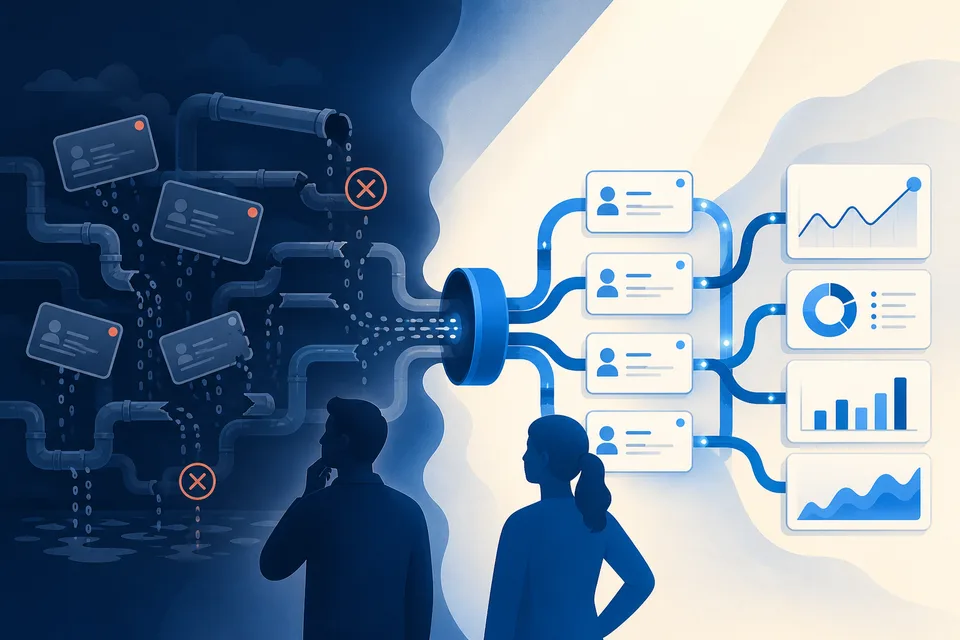
- Connect Fathom or Fireflies to SparkVox. When you create a new project, pick a call from the Meetings tab. No download required. The recording goes server-side from your call tool directly.
- Process one call per week. A 45-minute call produces six to twelve post drafts. One call a week is more than enough for a consistent posting schedule of three to four posts per week.
- Review drafts in one five-minute session. Sparky returns grouped drafts - Awareness, Authority, Conversion. Read each one, approve what sounds like you, edit hooks where needed, skip anything you do not want published. Five minutes is a realistic review window even on a packed day.
- Schedule the batch. Approve five or six posts on Monday, schedule them for the week, and let them run. You are done with LinkedIn until next week's call is ready.
The key constraint in this workflow: you never sit down to write. You review, you edit, you approve. Writing is Sparky's job. Review is yours.
The compounding effect over time
One week of this workflow produces a partial content calendar. Four weeks produces a clear picture of which topics your audience responds to. Three months produces a body of work that starts surfacing in LinkedIn search results, drives profile views, and gives prospects something to read before they reach out.
The voice profile compounds alongside the content. Every call you process deepens Sparky's understanding of your phrasing, your sentence rhythm, the topics you return to. By project five, the drafts need meaningfully less editing than project one. The system gets faster as it gets better.
Consistency on LinkedIn is not a willpower problem. It is a systems problem. For founders and consultants who already create content every day on calls, the system is simpler than it looks: capture what you are already doing, extract the posts, review briefly, and publish. The writing step - the one that takes hours when you do it from a blank page - is the step you remove entirely.