
ProductLinkedIn
When Your LinkedIn Post Needs a Chart, Not Another AI Stock Photo
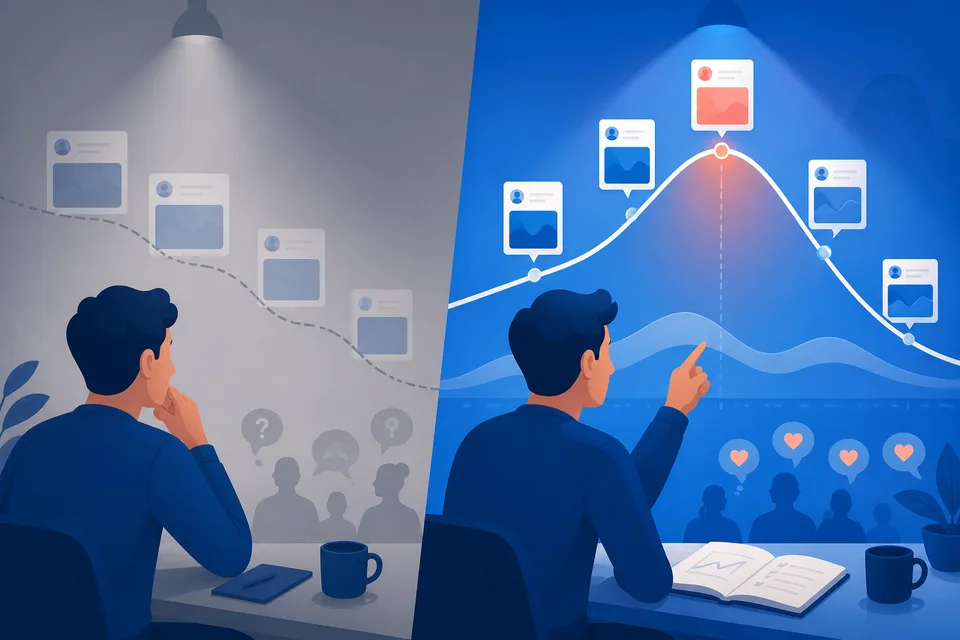
Data-led posts deserve charts built from numbers already in the draft. When SparkVox routes to photo briefs instead - and how the API matches the app.
Post Analytics isn't just a report on what happened - used consistently, it becomes a filter for which recurring meetings are actually worth capturing next quarter.
 Sean Weisbrot- Founder, SparkVox
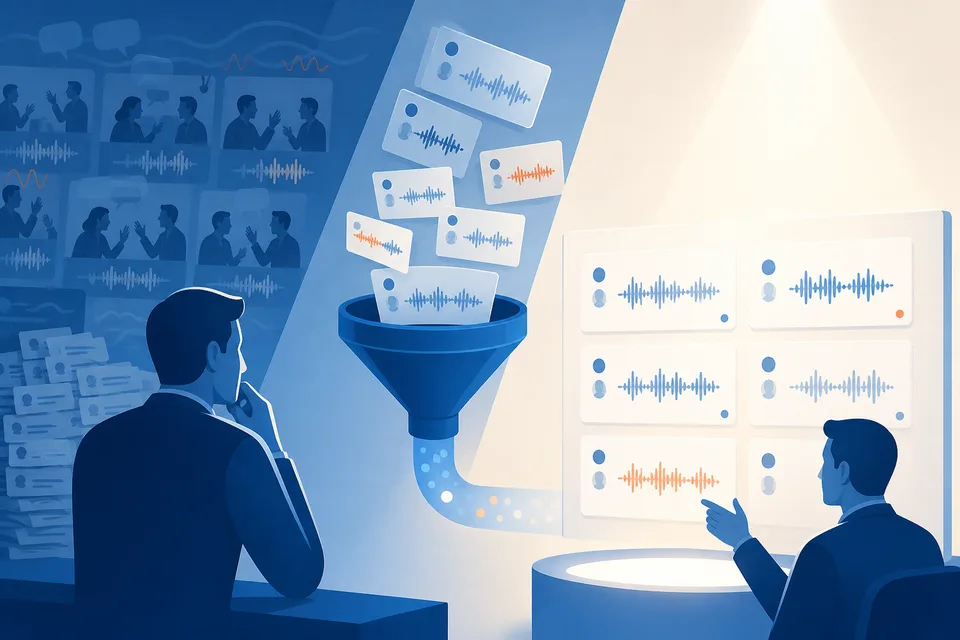
Not every meeting is worth turning into content, and after a few months of posting, the data actually shows which ones were. Post Analytics isn't just a report on what happened - used consistently, it becomes a filter for what to record next.
Every post traces back to the recording it came from, which means engagement patterns aren't abstract - they point at specific meeting types. If posts drafted from strategy sessions consistently outperform posts from routine status calls, that's a direct signal about which recurring meetings are worth prioritizing for capture, not just which posts happened to do well.
Instead of recording everything and reviewing all of it, the pattern that emerges from a few months of Post Analytics data narrows the list - certain meeting types (board prep, cross-functional strategy syncs, customer escalation calls) reliably produce moments worth publishing, while others rarely do. That's worth knowing before the next quarter's calendar gets set, not after.
This doesn't require a deliberate analysis project - it's a byproduct of reviewing weekly drafts and noticing which source recordings kept producing the posts worth approving. Over time, that noticing becomes a shortlist of exactly which meetings deserve a recorder turned on.
A common finding once a few months of data accumulates: posts sourced from customer conversations - a specific objection handled, a real story about a win or a near-miss - tend to outperform posts sourced from purely internal strategy discussions, even though the strategy discussions often feel like the more "important" meetings in the moment. External-facing calls carry a built-in specificity (a real customer, a real situation) that internal strategy talk sometimes lacks until it's been generalized for a public post.
That's not a universal rule - it varies by executive and by industry - but it's the kind of pattern that only becomes visible after enough posts have data behind them, which is exactly why this filter improves with time rather than being something to figure out on day one.
Once a few meeting types clearly outperform others, the practical move is making sure those specific meetings are reliably recorded and prioritized for upload - not necessarily attending more of them, but not letting the ones that already happen slip past without capturing them. A quarterly glance at which source meetings produced the best-performing posts is usually enough to keep the shortlist current.
See how meetings become posts in the first place in how executives turn internal meetings into external authority, what a realistic ramp-up looks like in what changes in 90 days when an executive starts posting from their own meetings, or the full setup on SparkVox for executives.
Measure what works
Post Analytics shows impressions by funnel stage. What's Working tells you when to shift from Awareness posts to Conversion posts - so your next project hits harder than the last.
Free to sign up. Card required for full access.
No charge until day 15.
Data-led posts deserve charts built from numbers already in the draft. When SparkVox routes to photo briefs instead - and how the API matches the app.

SparkVox groups post labels into core themes and scores funnel stages on the right metrics - so What's Working answers which subjects to double down on.
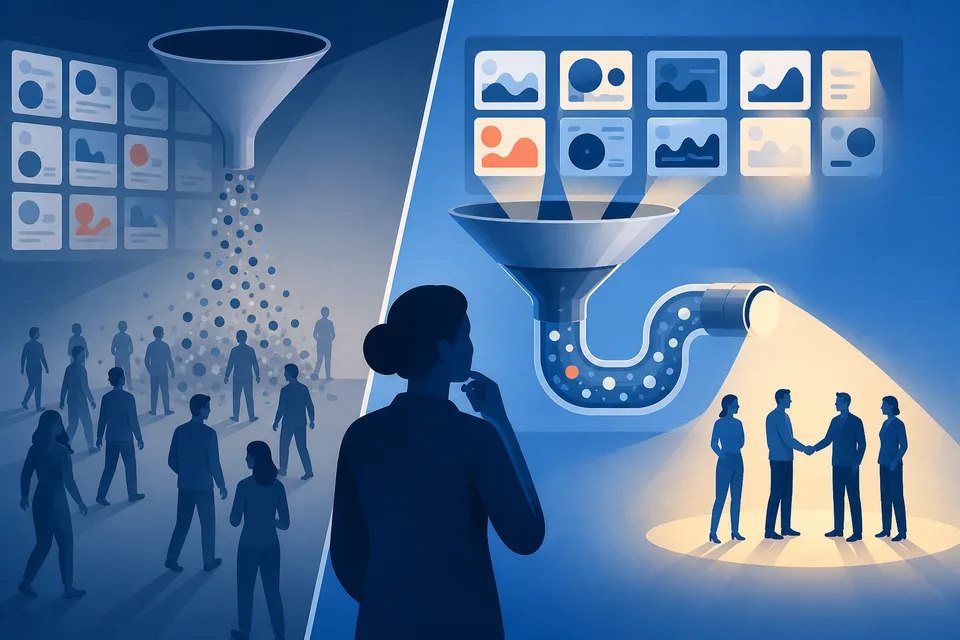
Not every framework performs the same way, and raw engagement isn't the useful signal. Here's what to track instead to know which frameworks are actually resonating with real prospects.
Your calls and interviews are already the content. SparkVox writes the posts in your voice - upload one recording and see the drafts before you're charged.
Free to sign up. Card required for full access.
No charge until day 15.